
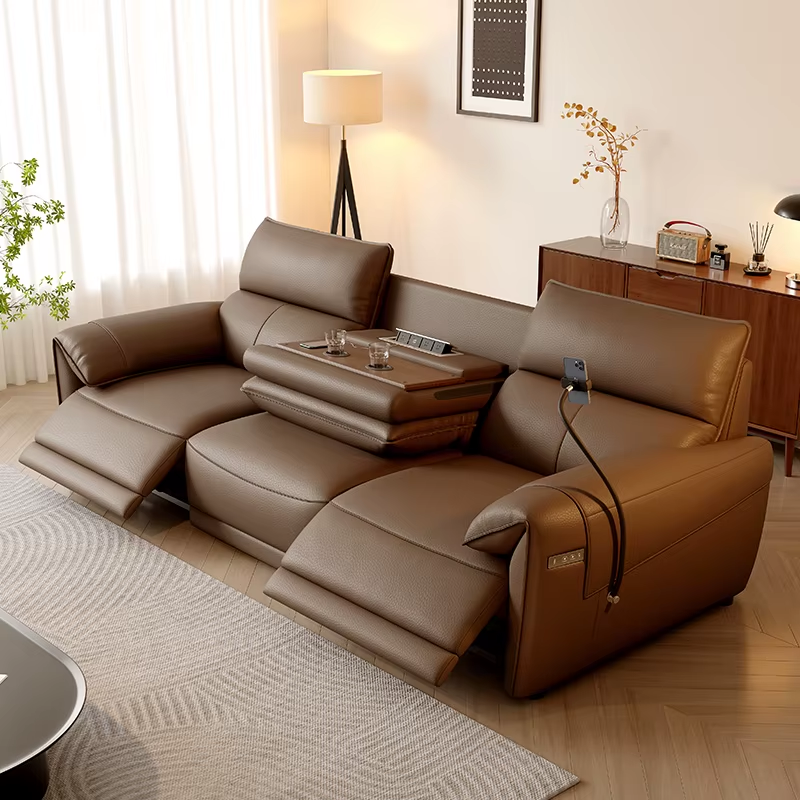
What to Look for When Choosing recliner sofas
What Should They Consider When Choosing a Recliner Sofa?
Selecting the right recliner sofa directly impacts daily comfort, room functionality, and long-term satisfaction with your furniture investment. A poorly chosen recliner can lead to back pain, wasted space, and buyer’s remorse.
The decision involves evaluating multiple interconnected factors. Size compatibility with your room, upholstery durability, recliner sofas that suit your lifestyle, reclining mechanism type, and budget constraints all play crucial roles. Each element affects how well the furniture serves its purpose over years of use.
When choosing recliner sofas, buyers should examine:
- Physical dimensions relative to available floor space
- Reclining mechanism (manual versus power-operated systems)
- Frame construction quality and materials
- Upholstery fabric or leather options
- Ergonomic features, such as those found in office chairs that match body proportions and promote better posture, which are also important for recliners
- Additional functions like massage or adjustable components
- Style compatibility with existing décor
- Price-to-quality ratio within budget parameters
- Warranty coverage and manufacturer support
A well-chosen recliner transforms living spaces into personal comfort zones. The right model provides proper lumbar support during movie marathons, accommodates afternoon naps without neck strain, and complements room aesthetics. Space-efficient designs like wall huggers maximize small apartments, while oversized models accommodate larger body frames comfortably.
Understanding these factors before shopping prevents costly mistakes and ensures the selected piece enhances both comfort and living space functionality for years ahead. Additionally, considering the type of fabric used in the upholstery can further influence the overall comfort and durability of the recliner sofa.
What Are The Different Types Of Recliner Sofas Available In The Market?
The market offers two primary categories: manual vs power recliners. Manual recliners rely on spring-loaded mechanisms that require physical effort to push back and recline, while power recliners use motorized systems controlled by buttons or remotes for effortless positioning.
Manual Recliners
Manual recliners operate through lever-based or push-back mechanisms. Users pull a lever on the side or push their body weight against the backrest to activate the reclining motion. These models typically cost less than their powered counterparts and don’t require electrical outlets, making them versatile for placement anywhere in a room.
Power Recliners
Power recliners feature electric motors that adjust positions at the touch of a button. Many models offer infinite positioning options rather than fixed angles, allowing users to find their exact comfort zone. These types of recliner sofas often include USB charging ports and memory settings for preferred positions.
Two-Position Recliners
Two-position recliners lock into two distinct angles: upright and fully reclined. This straightforward design works well for people who prefer simple functionality without multiple adjustment options. The fixed positions provide consistent support for watching television or napping.
Push-Back Recliners
Push-back recliners eliminate visible levers or handles for a cleaner aesthetic. Users lean back against the chair to recline, and the mechanism responds to body weight. These recliner styles blend seamlessly into formal living rooms where traditional recliners might appear too casual.
Rocker/Glider Recliners
Rocker recliners combine reclining functionality with a gentle rocking motion when in the upright position. Glider recliners offer a smoother, horizontal gliding movement instead of the curved rocking motion. Both styles appeal to parents with young children or anyone who finds repetitive motion soothing.
Wall Hugger Recliners
Wall hugger recliners slide forward as they recline, requiring only 4-6 inches of clearance from the wall. Traditional recliners need 12-18 inches of space behind them. This space-saving design suits apartments, small living rooms, or any space where
How Important Is Size And Space When Choosing A Recliner Sofa?
Size and space considerations directly determine whether a recliner will fit comfortably in your room and function properly. A recliner that’s too large overwhelms a space, while one that’s too small may not provide adequate support or visual balance.
Understanding Recliner Size Options
Recliner size options fall into three distinct categories based on width measurements:
- Small recliners: Under 39 inches wide, ideal for apartments, bedrooms, or compact living rooms
- Standard recliners: Approximately 40 inches wide, fitting most average-sized adults comfortably
- Oversized/big and tall recliners: Over 50 inches wide, designed for larger body frames or those wanting extra room
The depth of a recliner when fully extended typically adds 24-36 inches to its base footprint. A standard recliner measuring 40 inches wide may require up to 76 inches of total depth when reclined.
Measuring Your Living Space Before Purchase
Taking accurate measurements prevents costly mistakes and returns. Measure the width of the intended location, accounting for side tables, lamps, or other furniture pieces nearby.
Calculate the clearance behind the recliner by measuring from where the back will sit to the nearest wall or obstacle. Most traditional recliners need 12-18 inches of clearance to recline fully without hitting the wall.
Check doorway widths and hallway dimensions to ensure delivery is possible. Many recliners arrive fully assembled, requiring careful navigation through entry points.
Advantages of Wall Hugger Designs for Limited Spaces
Wall hugger recliners solve the clearance problem by moving forward as they recline. These space-saving recliners require only 4-6 inches of wall clearance, making them perfect for smaller rooms or tight layouts.
The forward-sliding mechanism allows placement closer to walls without sacrificing reclining functionality. This design opens up floor space for other furniture or creates better traffic flow in compact areas.
Wall huggers work particularly well in:
- Studio apartments where every inch counts
- Bedrooms serving dual purposes as relaxation spaces
- Home theaters with multiple seating rows
To make the most out of your space, consider exploring some no-fail living room layout configuration options that can complement your choice of a recliner sofa.
Which Upholstery Materials Should They Prefer For Their Recliner Sofas?
Fabric vs leather recliners each offer distinct advantages depending on lifestyle needs and aesthetic preferences. Leather provides a luxurious appearance with exceptional durability, while fabric options like velvet, cotton, and chenille deliver varied textures and comfort levels at different price points.
Understanding Fabric Recliner Options
1. Velvet Upholstery
Velvet upholstery creates a plush, sophisticated look that adds visual depth to any room. This material feels soft against the skin and resists pilling when properly maintained. Velvet works particularly well in formal living spaces or rooms with minimal direct sunlight, as prolonged sun exposure can fade its rich colors. Regular brushing with a soft-bristled brush maintains the fabric’s distinctive nap and prevents matting.
2. Cotton Fabric
Cotton fabric stands out as a breathable, hypoallergenic choice for households with sensitive skin or allergies. This natural fiber remains cool during warm months and warms up comfortably in winter. Cotton-upholstered recliners typically cost less than leather alternatives while offering excellent color variety. The material absorbs moisture more readily than synthetic options, requiring prompt attention to spills.
3. Chenille Fabric
Chenille fabric combines durability with a distinctive textured appearance created by its tufted pile construction. This recliner upholstery material resists wear in high-traffic areas while maintaining its soft feel over time. Chenille handles everyday use well, making it suitable for family rooms where children and pets frequent. The fabric’s unique weave pattern hides minor stains better than smooth materials.
Evaluating Leather Upholstery Benefits
1. Genuine Leather Recliners
Genuine leather recliners develop a desirable patina over years of use, adding character and value to the furniture piece. This material resists odor absorption and repels liquid spills when treated quickly, making cleanup straightforward with a damp cloth. Leather adapts to body temperature, feeling cool initially then warming to provide comfort. Premium full-grain leather showcases natural markings that make each piece unique.
2. Bonded Leather
Bonded leather offers a budget-friendly alternative that mimics genuine leather’s appearance at a fraction of the cost. This manufactured material consists of leather scraps bonded to a fabric backing with polyurethane, creating an eco-friendly option by minimizing waste from leather production processes. While not as durable or breathable as pure leathers, bonded leather still provides easy maintenance and can withstand moderate wear in less demanding environments.
3. Faux Leather (PU)
Faux leather (PU) presents another economical choice for those seeking an animal-friendly upholstery solution without compromising on style. Unlike vinyl-based alternatives which may crack over time due to lack of flexibility, PU offers greater resilience against daily usage while remaining easy to clean with mild soap solution or wipes.
Each type of upholstery has its own set of benefits that cater to different preferences and requirements when it comes choosing the right recliner sofa for your space!
What Frame And Build Quality Should They Look For In A Recliner Sofa?
The foundation of any recliner sofa lies in its frame construction. Recliner frame quality determines whether the piece will last for years or require replacement within months. A well-constructed frame supports the entire weight distribution system and reclining mechanism.
Why Solid Steel and Hardwood Frames Matter
Solid steel frames offer unmatched strength and stability for recliner sofas. These frames handle repeated stress from daily reclining motions without bending or losing structural integrity. Steel construction typically includes welded joints that create a unified support system capable of bearing substantial weight loads.
Hardwood frames—particularly those crafted from kiln-dried oak, maple, or birch—provide natural durability with slight flexibility. The kiln-drying process removes excess moisture, preventing the wood from expanding or contracting with humidity changes. Hardwood frames excel at absorbing shock and distributing weight evenly across the recliner’s structure.
How Frame Materials Resist Warping and Cracking
Steel frames resist warping through their inherent rigidity and uniform composition. Unlike organic materials, steel maintains its shape regardless of environmental conditions. The metal’s consistent density means it won’t develop weak spots that lead to structural failure.
Hardwood frames combat warping through proper treatment and quality selection. Dense hardwoods naturally resist moisture penetration that causes wood to swell or shrink. Corner blocks and cross-bracing reinforce hardwood frames at stress points where reclining mechanisms attach. These reinforcements prevent the twisting motion that creates cracks along grain lines.
Identifying Quality Frame Construction
Look for these indicators when evaluating recliner frame quality:
- Double-doweled joints in hardwood frames create stronger connections than single dowels or staples
- Corner blocks glued and screwed into place at all major joints
- Cross-bracing that connects opposite corners for diagonal support
- Powder-coated steel that resists rust and corrosion in metal frames
- Minimum gauge thickness of 14-16 for steel tubing used in frame construction
Frame Types to Avoid
Particleboard and plywood frames compromise longevity
Which Features And Functions Can Enhance The Usability Of A Recliner Sofa?
Modern recliner features transform a simple chair into a multifunctional living space hub. The right combination of features can significantly improve daily comfort and convenience.
Practical Storage and Surface Solutions
Cup holders rank among the most popular additions, keeping beverages secure and within arm’s reach during movie nights or reading sessions. Built-in tray tables provide stable surfaces for laptops, tablets, or meals, eliminating the need for separate furniture pieces. Some models include adjustable phone and tablet holders with swivel capabilities, allowing users to position devices at optimal viewing angles without holding them.
Power Motion Technology
Integrated power motion systems represent a major leap in recliner functionality. These motorized mechanisms allow precise position adjustments at the touch of a button, offering infinite reclining angles rather than fixed positions. Users can fine-tune their seating position to match specific activities, whether working on a laptop or taking an afternoon nap.
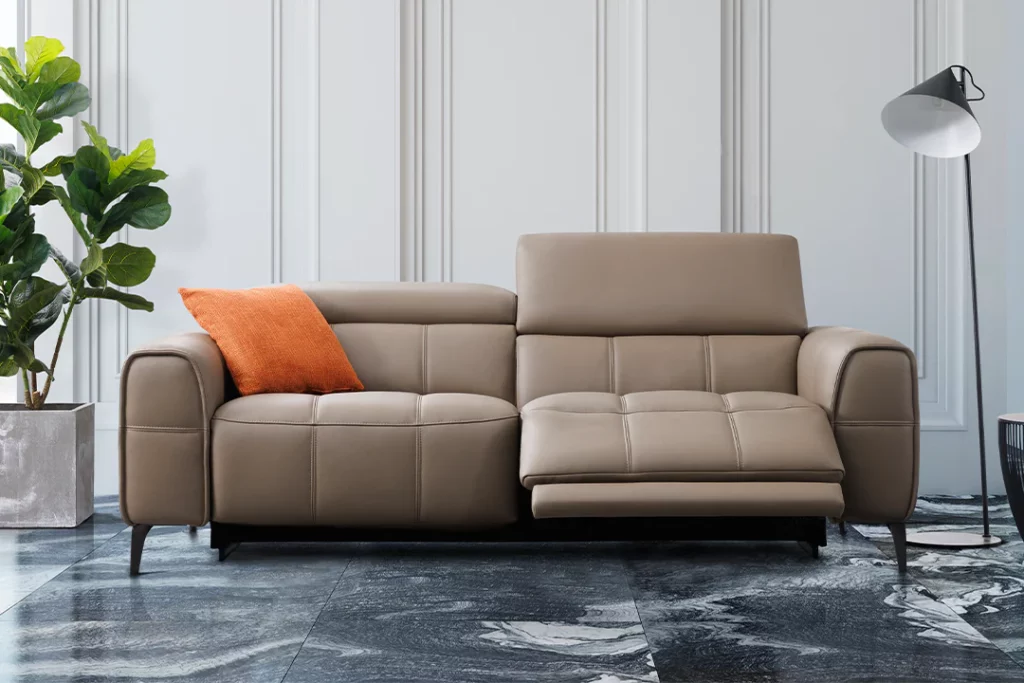
Adjustable headrests provide independent control over neck support, particularly valuable for taller individuals or those who prefer varied head positions while reading. Power footrests extend and retract smoothly, accommodating different leg lengths and providing customized elevation for improved circulation.
Therapeutic and Comfort Enhancements
Massage functions built into recliner seats and backrests offer targeted relief for sore muscles. These systems typically feature multiple intensity levels and zone-specific targeting for the lumbar region, thighs, or full-body coverage. Heat therapy options complement massage features, providing warmth that helps relax tense muscles and improve blood flow. In this context, it’s worth noting the benefits of laser heat treatment, which could be applied in manufacturing these advanced recliners for enhanced durability and performance.
LED lighting integrated into armrests or cup holder areas creates ambient illumination for nighttime use without disturbing others in the room. Lumbar support pillows, whether fixed or adjustable, maintain proper spinal alignment during extended sitting periods. Memory foam padding in strategic areas contours to individual body shapes, creating personalized comfort zones.
USB Charging and Connectivity
Built-in USB ports and power outlets keep devices charged without requiring users to leave their seats. This feature proves especially practical for those who spend extended periods in their recliners, whether working remotely or enjoying entertainment. Some premium models include wireless charging pads embedded in armrests for compatible smartphones.
How Can They Assess Comfort And Ergonomics In Recliners?
Comfort assessment begins with matching the recliner’s dimensions to body proportions. The seat height should allow feet to rest flat on the floor while seated, with knees at a 90-degree angle. The seat depth matters equally—there should be 2-4 inches of space between the back of the knees and the seat edge when sitting back fully.
Body Proportion Guidelines:
- Height under 5’4″: Small recliners (under 39″ width) with shorter seat depths of 19-20 inches
- Height 5’4″ to 6’0″: Standard recliners (around 40″ width) with seat depths of 21-22 inches
- Height over 6’0″: Oversized recliners (over 50″ width) with seat depths of 23+ inches
The backrest height determines neck and head support quality. Taller individuals need backrests that extend above the shoulders to prevent neck strain. When testing ergonomic recliners, the lumbar region should align with the chair’s lower back support curve, creating natural spinal alignment.
Critical Ergonomic Design Elements:
Lumbar support systems built into the lower backrest reduce pressure on the spine’s natural curve. Quality recliners feature adjustable lumbar zones that accommodate different back shapes and sitting preferences. This targeted support prevents lower back pain during extended sitting sessions.
Neck and headrest positioning affects upper body comfort significantly. Adjustable headrests should cradle the head without pushing it forward, maintaining neutral cervical spine alignment. The headrest angle becomes particularly important when watching television or reading in reclined positions.
Armrest height and width impact shoulder and arm positioning. Properly positioned armrests sit at elbow height when arms hang naturally, preventing shoulder elevation and tension. Wide, padded armrests distribute weight more evenly than narrow designs.
Testing for Proper Support:
Sit in the recliner for at least 10-15 minutes during evaluation. Notice pressure points at the hips, thighs, and shoulder blades—these indicate poor weight distribution. The cushioning should feel supportive without creating a sinking sensation that makes standing difficult.
What Style Considerations Should Guide Their Decision When Choosing A Recliner Sofa?
Recliner sofa styles range from traditional leather club chairs to sleek contemporary designs, each bringing distinct aesthetic value to a living space. The right style choice transforms a functional piece into a cohesive design element that elevates the entire room’s appearance.
Classic and Traditional Styles
Traditional recliner sofas feature rich leather upholstery, tufted backs, and rolled arms that evoke timeless elegance. These designs work exceptionally well in formal living rooms, home libraries, or spaces with wood paneling and vintage furnishings. Deep brown or burgundy leather options add warmth and sophistication to rooms decorated with antique pieces or oriental rugs.
Contemporary and Modern Designs
Modern recliner sofas embrace clean lines, minimal ornamentation, and neutral color palettes. These pieces often feature low profiles, track arms, and geometric shapes that suit open-concept spaces and minimalist interiors. Fabric options in gray, beige, or charcoal blend seamlessly with contemporary furniture while maintaining the comfort expected from recliners.
Mid-Century Modern Influences
Mid-century inspired recliners combine retro aesthetics with current power functionality. Tapered wooden legs, button tufting, and curved silhouettes characterize this style. These designs appeal to those seeking vintage charm without sacrificing modern conveniences like USB charging ports or power recline mechanisms.
Matching Existing Home Decor
The recliner should harmonize with the room’s existing color scheme and furniture style. A bold-colored recliner can serve as an accent piece in neutral spaces, while matching the sofa’s upholstery creates visual continuity. Consider the room’s architectural features—a rustic space benefits from distressed leather recliners, while industrial lofts pair well with metal-accented designs.
Material and Color Coordination
Upholstery color directly impacts how the recliner integrates into the space. Light-colored fabrics brighten small rooms and create airy atmospheres, while darker tones add drama and hide wear better. Patterned upholstery introduces visual interest but requires careful coordination with existing textiles like curtains, throw pillows, and area rugs
How Does Price Impact Their Options When Choosing A Recliner Sofa?
The price range for recliners directly determines the quality, features, and longevity of the furniture piece. Budget allocation shapes every aspect of the purchase, from frame construction to upholstery materials and available functions.
Understanding the Full Spectrum of Recliner Pricing
Entry-level recliners start around $250 to $500 and typically feature basic manual mechanisms with simpler frame construction. These models often use particleboard frames and synthetic fabrics, making them suitable for occasional use or temporary living situations like apartments or dorm rooms.
Mid-range options between $500 and $1,200 introduce better construction quality with reinforced frames and more durable upholstery choices. These recliners often include enhanced padding, sturdier reclining mechanisms, and basic power features in some models.
Premium recliners spanning $1,200 to $3,000 deliver solid hardwood or steel frames, genuine leather upholstery, and advanced power systems. These pieces incorporate multiple reclining positions, built-in massage functions, and USB charging ports.
Luxury models exceeding $3,000 and reaching up to $5,000 represent the pinnacle of recliner craftsmanship. They feature top-grain leather, zero-gravity positioning, heat therapy, customizable memory settings, and sophisticated design aesthetics that rival high-end furniture showrooms.
The Sweet Spot for Value and Quality
Allocating $800 to $2,000 strikes an optimal balance between durability and comfort for most households. This budget range provides access to:
- Solid frame construction using kiln-dried hardwood or reinforced steel
- Quality upholstery materials that resist wear and maintain appearance
- Reliable power reclining mechanisms with extended warranties
- Adequate padding and ergonomic support for daily use
- Essential convenience features without unnecessary extras
Recliners in this price bracket typically last 7-10 years with proper maintenance, delivering better cost-per-use value than cheaper alternatives requiring replacement every 2-3 years.
How Budget Constraints Affect Feature Selection
Lower budgets necessitate prioritizing core functionality over luxury additions. A
Why Is Warranty And After-Sales Service Important When Buying A Recliner Sofa?
A comprehensive warranty protects your investment by covering manufacturing defects, mechanical failures, and structural issues that may emerge during normal use. Most reputable manufacturers offer warranties ranging from one year on electronics to lifetime coverage on frames, giving buyers peace of mind that their purchase is protected against unexpected problems.
Understanding recliner warranty importance means examining what specific components receive coverage. Frame warranties typically extend for 10 years to lifetime, while mechanisms might be covered for 3-5 years. Upholstery warranties usually run shorter at 1-3 years due to normal wear patterns. Power recliner motors and electrical systems often carry separate warranty terms, sometimes as brief as one year.
What Should Warranty Coverage Include?
Quality warranties address multiple failure points. Frame coverage should protect against cracking, warping, or structural breakdown. Mechanism warranties need to cover spring systems, reclining hardware, and moving parts that handle daily stress. Upholstery protection should account for seam separation, stitching failures, or premature wear under normal conditions.
Power recliner warranties require special attention since electrical components add complexity. Look for coverage on motors, transformers, hand controls, and wiring harnesses. Some manufacturers exclude certain wear items like batteries in wireless remotes or cosmetic damage to control buttons.
How Does After-Sales Service Add Value?
Accessible customer support transforms warranty coverage from paper promises into practical solutions. Companies offering phone support, email assistance, and online troubleshooting guides make resolving issues straightforward. Local service networks mean technicians can visit homes for repairs rather than requiring customers to transport heavy furniture.
What to look for when choosing recliner sofas includes evaluating the manufacturer’s service reputation. Read customer reviews specifically mentioning warranty claims and service experiences. Companies with dedicated parts departments can ship replacement components quickly, minimizing downtime when repairs are needed.
What Questions Should Buyers Ask About Service?
- Does the warranty require professional installation to remain valid?
- Are there authorized service centers within reasonable distance?
- What costs might fall outside warranty coverage (labor, shipping, disposal)?
- How long does the claims process typically take?
- Does the company stock replacement parts for discontinued models?
See Also: The complete guide to buying chaise sofas Australia online